Disaster Recovery Services

Disaster Recovery Services
Why Choose Us?
The topography and soil/substrate conditions will be evaluated to determine the best Debris Management Site layout. Organic District will use our DMS baseline data checklist before operations begin and use those during and after to ensure that site conditions are properly documented. We hold maintaining and restoring the natural environment to the same condition at which time it was utilized to one of the highest priorities.
Organic District conducts the following reduction operations for the respective debris streams:
- Vegetative (grinding or burning) Trees, logs, limbs, brush, and stumps.
- C&D (separate metals and HHW. Reduce through sorting, separation and compaction) Lumber, roofing materials, structural steel, siding, drywall, carpets, furnishings.
- Household Hazardous Waste (separate from debris stream and segregate in containment area) Paint, propane, bleach, pesticides, fertilizers, aerosol cans.
- Mixed (separate vegetative, C&D and HHW then reduce as indicated above) Commingled debris of all types.
Organic District’s DMS Teams will coordinate the following closeout steps with each jurisdiction to comply with all local, state, and federal regulations:
- Coordinate with local and State officials responsible for construction, real estate, contracting, project management, and legal counsel regarding requirements and support for implementation of a site remediation plan.
- Establish an independent testing and monitoring program. Organic District is responsible for environmental restoration of both public and leased sites. Our crews will also remove all debris from sites for final disposal at landfills prior to closure.
- Reference appropriate and applicable environmental regulations.
- Schedule closeout activities.
- Determine separate protocols for ash, soil and water testing.
- Inform local and State environmental agencies regarding acceptability of program and established requirements.
- Designate approving authority to review and evaluate our closure activities and progress.
Right Of Way (Row) Debris Collection
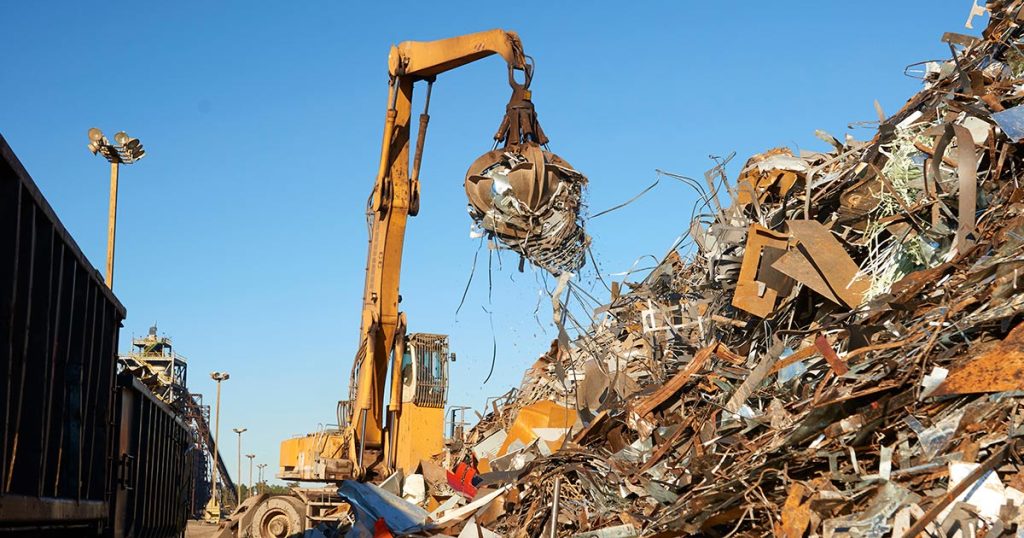
Emergency Road Clearance (Push Operations)

Curbside Segregation
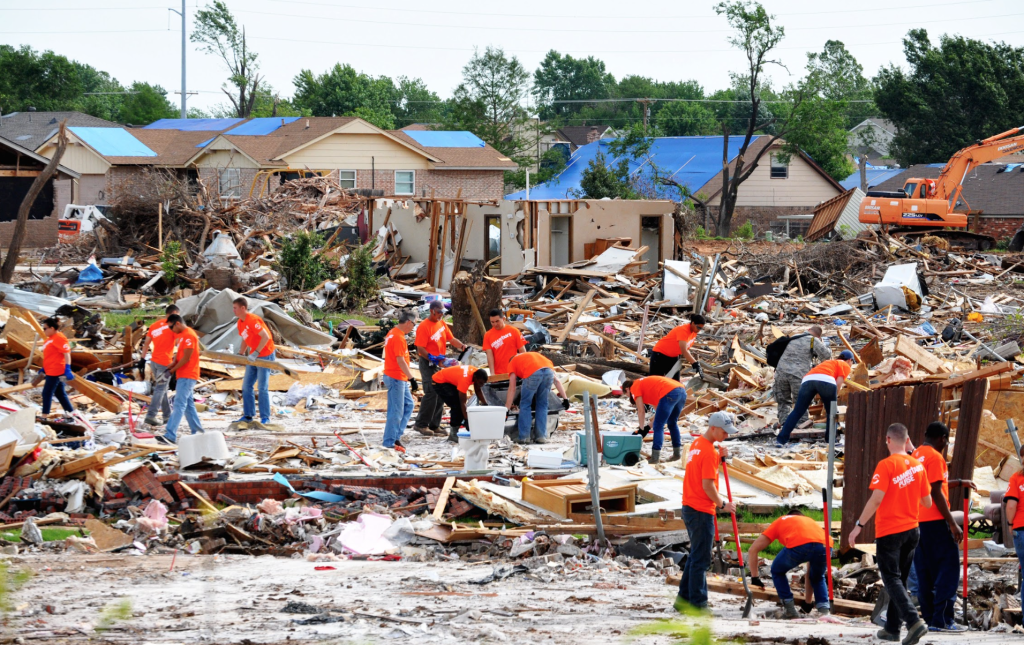
Curbside Segregation
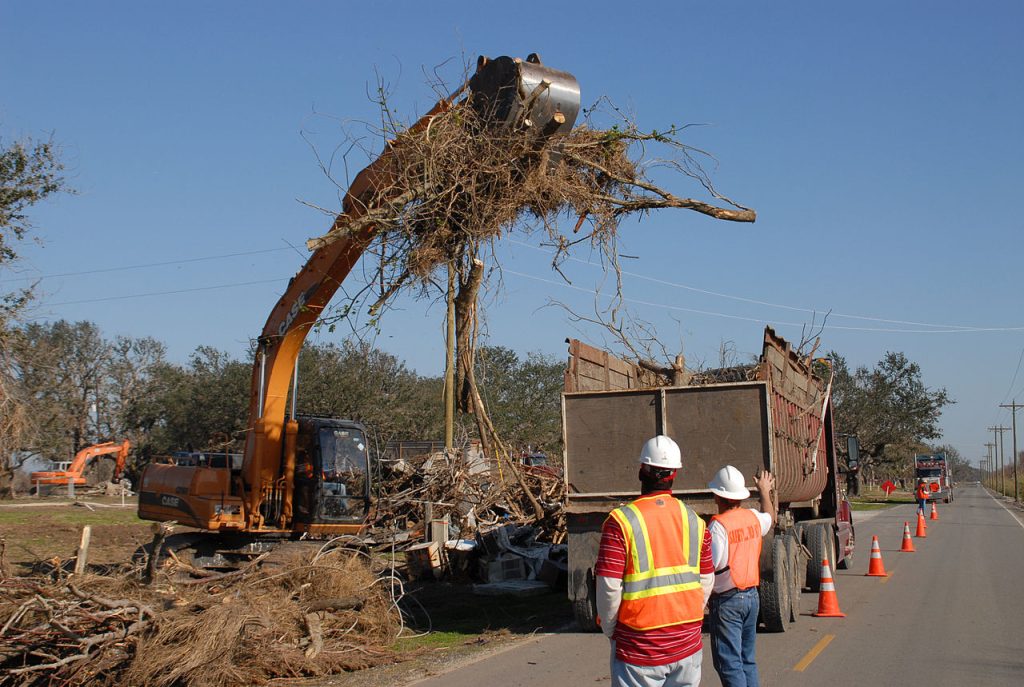
Debris Management Site Operations
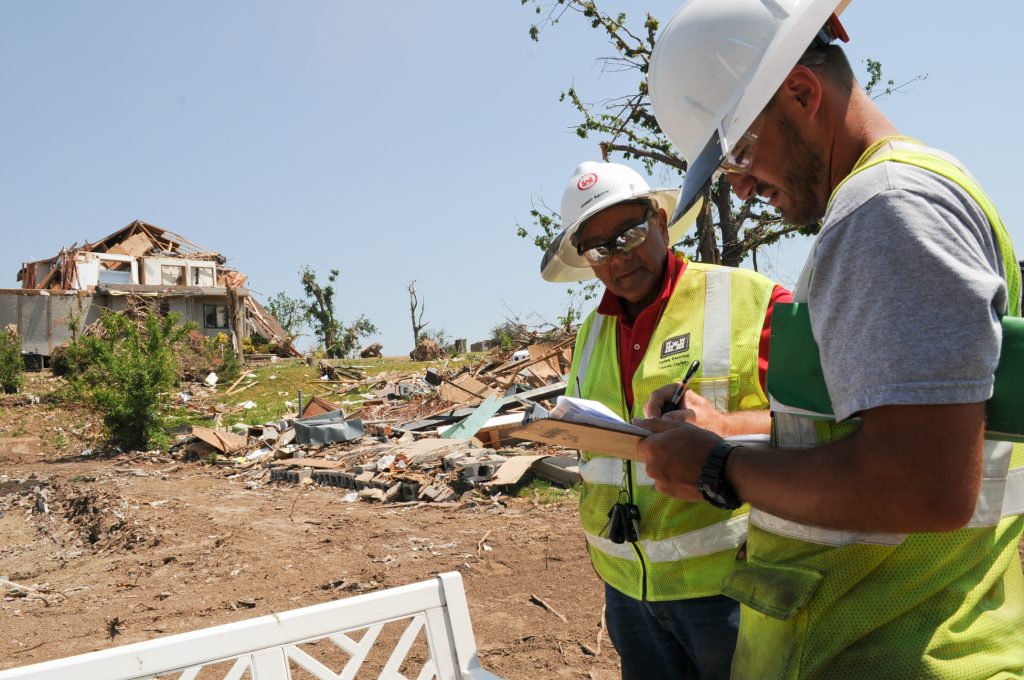
The topography and soil/substrate conditions will be evaluated to determine the best Debris Management Site layout. Organic District will use our DMS baseline data checklist before operations begin and use those during and after to ensure that site conditions are properly documented. We hold maintaining and restoring the natural environment to the same condition at which time it was utilized to one of the highest priorities.
Organic District conducts the following reduction operations for the respective debris streams:
- Vegetative (grinding or burning) Trees, logs, limbs, brush, and stumps.
- C&D (separate metals and HHW. Reduce through sorting, separation and compaction) Lumber, roofing materials, structural steel, siding, drywall, carpets, furnishings.
- Household Hazardous Waste (separate from debris stream and segregate in containment area) Paint, propane, bleach, pesticides, fertilizers, aerosol cans.
- Mixed (separate vegetative, C&D and HHW then reduce as indicated above) Commingled debris of all types.
Debris Management Site Closeout

Organic District’s DMS Teams will coordinate the following closeout steps with each jurisdiction to comply with all local, state, and federal regulations:
- Coordinate with local and State officials responsible for construction, real estate, contracting, project management, and legal counsel regarding requirements and support for implementation of a site remediation plan.
- Establish an independent testing and monitoring program. Organic District is responsible for environmental restoration of both public and leased sites. Our crews will also remove all debris from sites for final disposal at landfills prior to closure.
- Reference appropriate and applicable environmental regulations.
- Schedule closeout activities.
- Determine separate protocols for ash, soil and water testing.
- Inform local and State environmental agencies regarding acceptability of program and established requirements.
- Designate approving authority to review and evaluate our closure activities and progress.
Consulting & Management